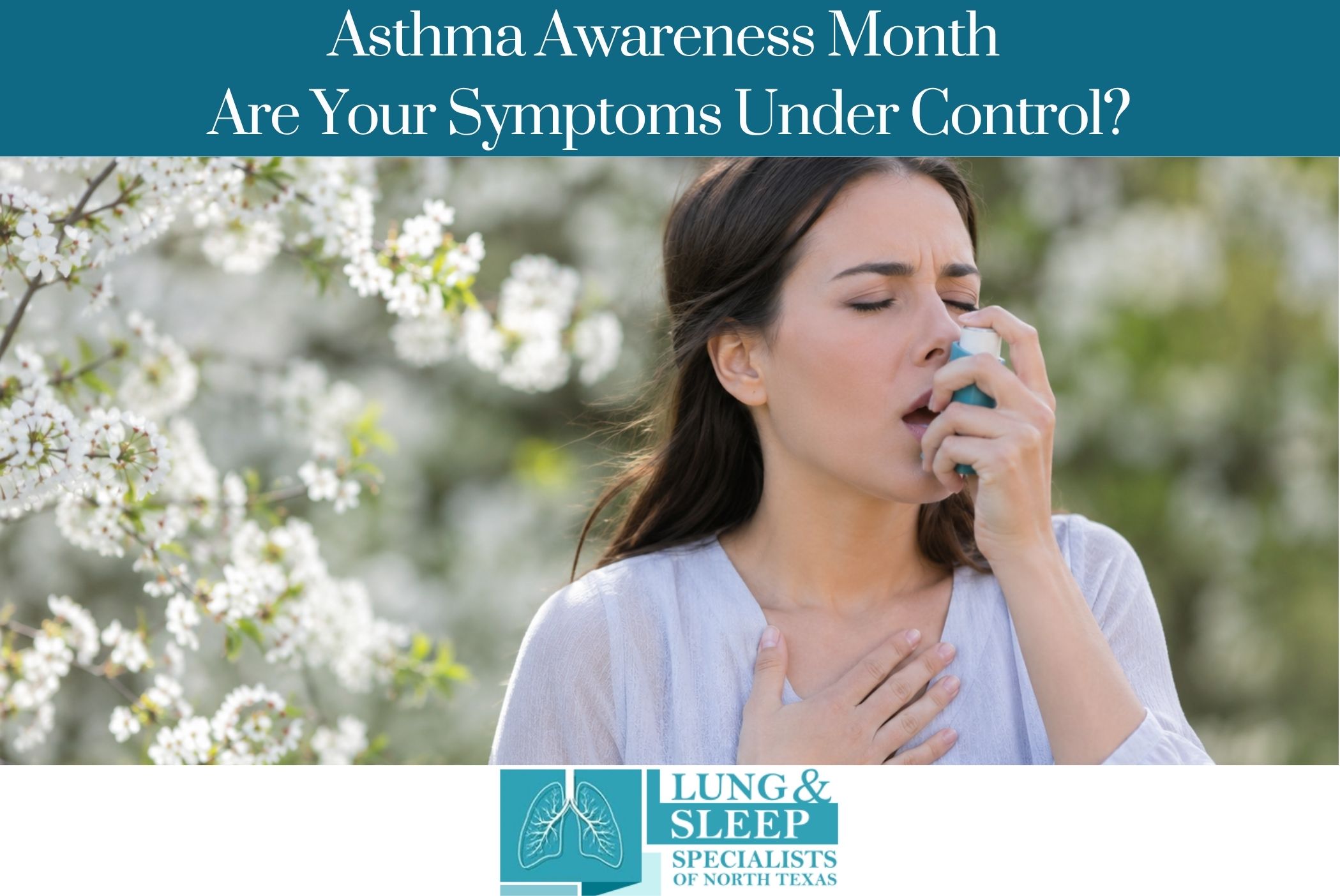
Spring allergies are common, but for some patients, they can significantly impact lung health. At Lung & Sleep Specialists, we help patients understand when allergy symptoms are affecting more than just the nose and sinuses.
How Allergies Affect Breathing
Allergens like pollen can trigger inflammation not only in the upper airways but also in the lungs. This can lead to:
- Persistent coughing
- Wheezing
- Chest tightness
- Shortness of breath
In some cases, allergies can trigger or worsen asthma symptoms.
When Allergy Symptoms Become a Concern
You should consider a pulmonary evaluation if you experience:
- Ongoing cough that doesn’t improve
- Breathing difficulties during allergy season
- Increased use of inhalers
- Symptoms that interfere with sleep or daily activities
Managing Allergy-Related Breathing Issues
Helpful strategies include:
- Monitoring pollen levels and limiting outdoor exposure on high-count days
- Using air purifiers indoors
- Taking medications as prescribed
- Showering after spending time outside
Breathe Easier This Season
If your “allergies” feel more severe than usual or affect your breathing, it may be time to look deeper. Proper diagnosis can help prevent worsening symptoms and improve overall lung health.